Restaurants are losing $12.6B to allergy menu confusion
Nutritics reports that restaurants lose $12.6 billion annually due to unclear allergen information, affecting diners'

Press Release Disclaimer: This is a press release distributed through the XPR Media network. It has not been independently verified by our newsroom.
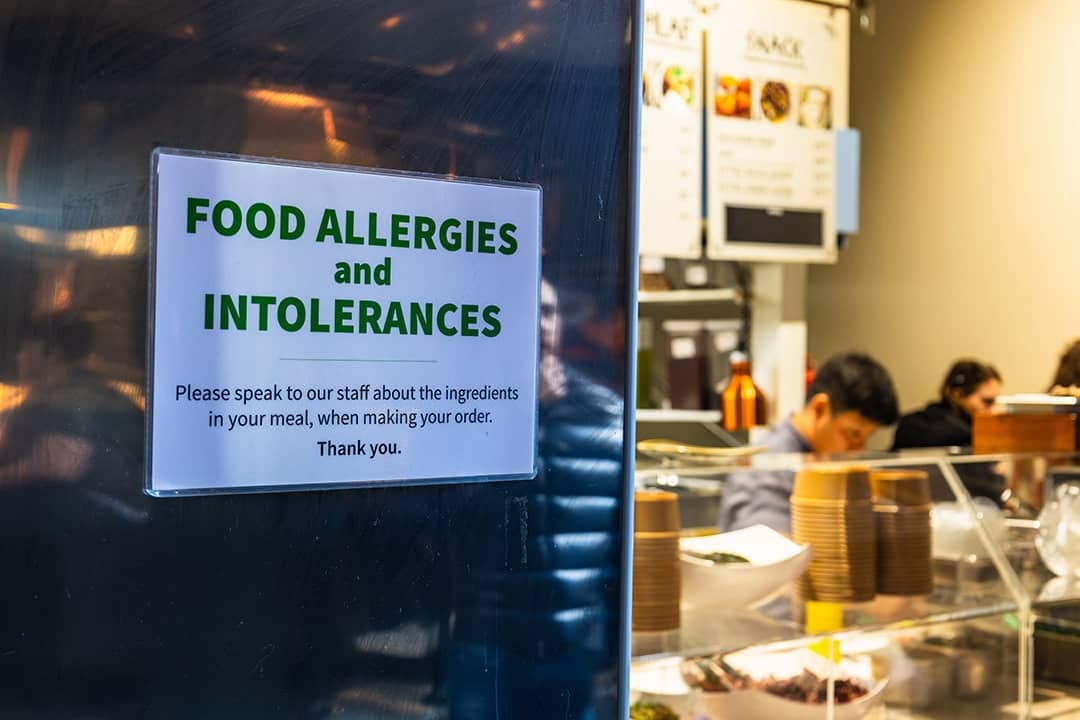

Tartezy // Shutterstock
Restaurants are losing $12.6B to allergy menu confusion
Someone in the group is scrolling a restaurant’s menu from the couch, phone tilted sideways, hunting for any mention of tree nuts or shellfish. They don’t find it and send a message out to the group chat saying, “Not sure I can eat here.” Ten minutes later, the plan has shifted to a different restaurant, or to no restaurant at all.
The restaurant never finds out: There’s no reservation to cancel and no order abandoned mid-checkout. The table that would have come simply never appears on the schedule.
According to new research from Nutritics, a recipe and menu management platform for restaurant and food service operators, that vanishing act has a price tag.
The Nutritics 2026 Allergy Dining Report was developed based on a survey conducted in June 2026 of 1,000 U.S. adults who have dined out more than once in the past six months and whose dining decisions are influenced by food allergies, either their own or those of someone in their household, social circle, or workplace. It found that unclear allergen information puts an average of $78 in table spend at risk every time an allergy-affected diner picks somewhere else instead, a pattern that scales to an estimated $12.6 billion in missed revenue across the U.S. restaurant industry each year.
For restaurant operators already squeezed by food costs and thin margins, that’s a lot of business disappearing before anyone on staff knows it was ever in play. In California, that exposure is no longer just reputational. The state’s Allergen Disclosure for Dining Experiences (ADDE) Act, which took effect July 1, 2026, now requires restaurant chains with 20 or more locations to disclose the same allergen information that diners are already asking for. That disclosure reaches more people than restaurants might expect, because the person deciding where the group eats isn’t always the one with the allergy.
One Person’s Allergy Decides Where the Whole Table Eats
The $12.6 billion problem is bigger than the allergy-affected diner alone. Sixty-one percent of respondents say their restaurant choices are shaped most often by someone else’s allergy: a family member, a spouse, a friend or a child in the household. Only 39% say it’s their own allergy driving the decision.
That math means an operator isn’t just trying to win over the diner with food sensitivities, but also whoever’s holding the phone and doing the research on behalf of the group. If that person can’t get a clear answer, the whole table looks elsewhere.
Parents feel this hardest: Among parents whose child’s allergy shapes where they eat, 61% look for allergens marked directly on the menu, compared with 54% of respondents overall, and they’re more likely to walk away rather than gamble on a maybe.
A Server’s Word Isn’t Enough Anymore
Many restaurants still lean on staff to fill in gaps that aren’t written down anywhere, and that isn’t landing the way operators might hope. When a server says they’ll check with the kitchen, only 24% of allergy-affected diners are fully confident the answer that comes back is a confirmed fact rather than a guess. Nearly half say it’s hard to tell either way, feels more like a guess, or is one outright.
For restaurant operators, one of the biggest losses is the guests who considered dining with them but ultimately chose another restaurant or ate at home.
More than half of respondents, 57%, either skip a restaurant entirely or pick a different one once its allergen information fails to reassure them. Sixty-one percent have gone further and skipped eating out altogether, choosing to eat at home instead because finding a safe option felt like too much work.
A Marked Menu Beats Every Other Trust Signal
The data also points to a fix operators can act on without an overhaul. Asked what would most increase their trust in a restaurant’s allergen practices, 57% of respondents named one thing above all else: allergens clearly marked next to every menu item, ahead of a dedicated website policy page, a consistent in-person answer from staff, or third-party certification.
That single change appears to move real behavior. Seventy-one percent of allergy-affected diners say they’d eat at a restaurant more often if it had clear, easy-to-find allergen information, and 28% say they’d eat there a lot more often. More than half, 52%, have recommended a restaurant specifically because they trusted its allergen information.
The Fix Is Cheaper Than the Loss
Since July 1, ADDE SB68 has already made disclosure mandatory for California’s largest chains, but every other restaurant is being asked the same question by its guests, law or no law.
Marking the menu is the most effective place to start, though the trust it builds holds only if the information matches across printed menus, menu boards, delivery apps and online ordering, and gets updated the moment a recipe or vendor changes.
A written cross-contact statement is worth adding too. It isn’t required under the ADDE Act, but with only 24% of diners fully trusting a server’s verbal reassurance, a printed note settles the question before it’s asked. For restaurants willing to make allergen information clear, the $12.6 billion is still there to be won.
This story was produced by Nutritics and reviewed and distributed by Stacker.